The implementation of the India–UK Comprehensive Economic and Trade Agreement (CETA) marks a significant milestone for businesses involved in international trade. As tariffs are reduced and market access expands, Indian exporters and UK importers can expect smoother trade flows, lower costs, and stronger business opportunities. The agreement officially came into force on 15 July 2026, creating a new chapter in bilateral trade and logistics.
For exporters, manufacturers, and importers, this is more than a trade agreement—it is an opportunity to build resilient supply chains and reach new markets more efficiently. With reliable logistics support from Timescan Logistics, businesses can take full advantage of these evolving trade opportunities.
Understanding the India–UK Trade Agreement
The India–UK CETA is designed to strengthen economic cooperation by reducing trade barriers, simplifying customs procedures, and improving market access for goods and services between the two countries. The agreement is expected to increase bilateral trade while making cross-border business more competitive.
For Indian exporters, sectors such as engineering goods, textiles, automotive components, pharmaceuticals, chemicals, food products, and manufacturing are expected to benefit from improved access to the UK market.
What This Means for Importers and Exporters
The new agreement creates several advantages for businesses engaged in international trade.
Reduced Trade Costs
Lower tariffs can make Indian products more competitive in the UK, helping exporters improve pricing and expand their customer base.
Faster Customs Procedures
Simplified customs processes reduce documentation complexity and help shipments move more efficiently across borders.
Increased Market Access
Businesses can explore new opportunities in one of the world’s largest consumer markets while strengthening long-term trade relationships.
Stronger Supply Chain Planning
With fewer trade barriers, companies can optimize sourcing, inventory management, and distribution strategies more effectively.
Industries Expected to Benefit
Several industries are likely to gain from the India–UK trade agreement, including:
- Engineering and industrial equipment
- Textiles and apparel
- Pharmaceuticals
- Chemicals
- Automotive components
- Food and agricultural products
- Manufacturing exports
As demand increases, businesses will require dependable logistics partners capable of managing international shipments efficiently.
Why Logistics Plays a Critical Role
A successful trade agreement creates opportunities, but efficient logistics determine how quickly businesses can benefit.
Professional logistics services help businesses with:
- International freight forwarding
- Customs clearance
- Warehousing and inventory management
- Cargo tracking
- Documentation support
- End-to-end supply chain coordination
Efficient logistics reduce transit delays, improve visibility, and help businesses meet customer expectations in global markets.
How Timescan Logistics Supports Global Trade
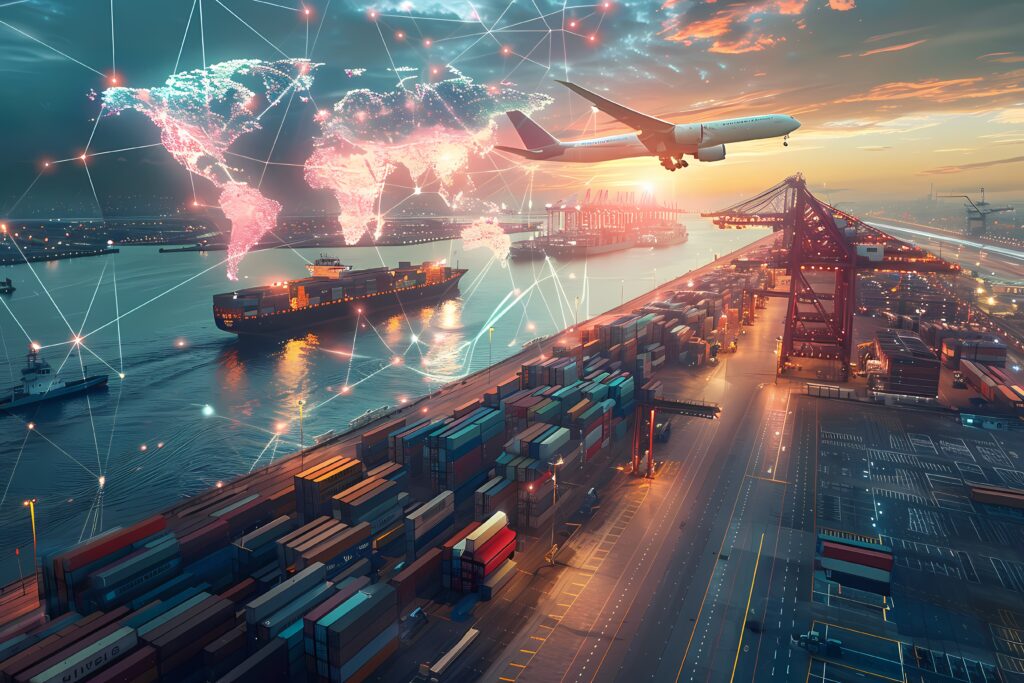
As international trade continues to expand, Timescan Logistics provides comprehensive logistics solutions that help businesses move cargo confidently between India, the UK, and other global markets.
With expertise in freight forwarding, customs clearance, warehousing, and multimodal transportation, Timescan Logistics ensures shipments are handled efficiently from origin to destination.
Businesses benefit from:
- International air and ocean freight
- Customs clearance support
- Warehousing and inventory solutions
- End-to-end supply chain management
- Global cargo visibility
- Reliable import and export logistics
Whether shipping raw materials, industrial equipment, consumer goods, or finished products, Timescan Logistics helps businesses navigate changing trade regulations while maintaining operational efficiency.
Preparing for the Future of Global Trade
The India–UK CETA reflects a broader shift toward stronger international trade partnerships. Companies that invest in efficient logistics, digital supply chains, and strategic trade planning will be better positioned to capitalize on these new opportunities.
Businesses should focus on:
- Strengthening global supplier networks
- Optimizing inventory planning
- Choosing reliable logistics partners
- Improving customs compliance
- Expanding into new export markets
These strategies will help organizations remain competitive in an increasingly connected global economy.
Conclusion
The India–UK Comprehensive Economic and Trade Agreement is creating exciting opportunities for businesses involved in international trade. Reduced tariffs, simplified customs procedures, and improved market access will help importers and exporters expand globally while improving supply chain efficiency.
To make the most of these opportunities, businesses need a logistics partner they can trust. Timescan Logistics offers reliable freight forwarding, customs clearance, warehousing, and end-to-end logistics solutions that help businesses move goods efficiently across international markets. As global trade continues to evolve, partnering with Timescan Logistics can help your business stay competitive, agile, and ready for future growth.