Introduction
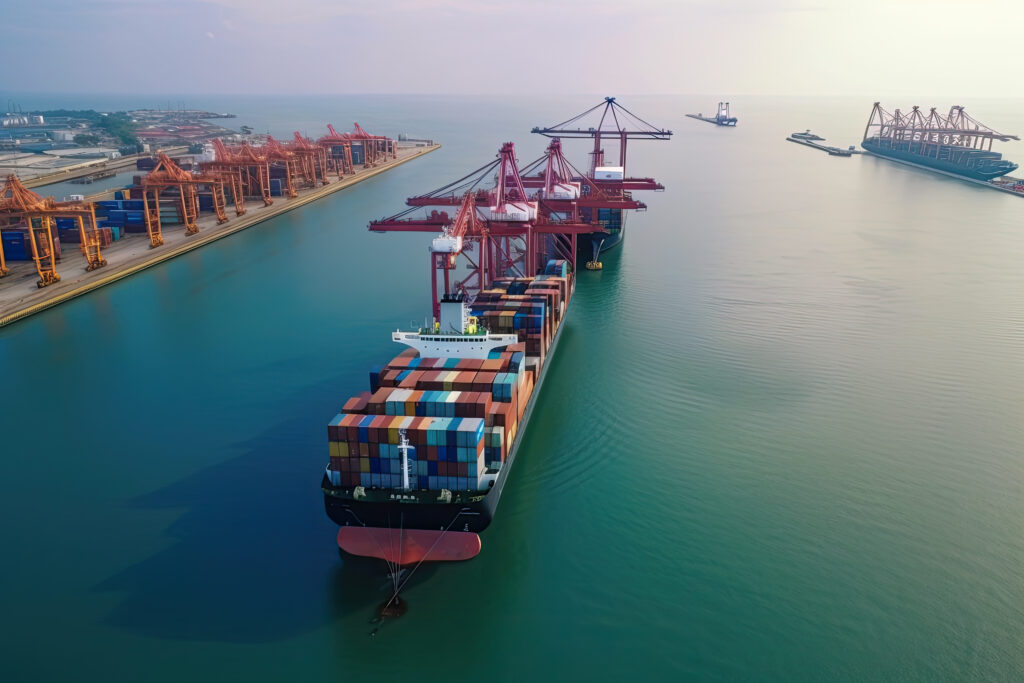
International shipping is entering a new phase. After close to two years of vessels being rerouted away from the Red Sea, two of the world’s largest container carriers — Maersk and Hapag-Lloyd — have started sending select services back through the Suez Canal. It’s a cautious move, limited to specific routes for now, but it marks the beginning of a return to one of the busiest and most strategically important trade corridors on the planet.
For anyone involved in importing, exporting, or managing a supply chain, this is worth paying attention to. It could mean quicker deliveries, more predictable schedules, and — eventually — lower freight costs. At Timescan Logistics, we track shifts like this closely because they directly affect how we plan cargo movement for our customers. Here’s what’s changing, why it’s happening, and what it could mean for your business.
Why the Suez Canal Is So Important to Global Trade
Linking the Red Sea to the Mediterranean, the Suez Canal has long served as the shortest sea link between Asia and Europe. Before the disruptions that began roughly two years ago, this single waterway carried close to one-tenth of all seaborne cargo worldwide — an enormous share for one narrow stretch of water.
Here’s why shippers value this route so much:
- It cuts the sailing distance and time between Asia and Europe dramatically
- Shorter voyages mean lower fuel burn
- Reduced fuel and voyage time translate into lower freight rates
- Predictable transit times make inventory and production planning easier
- Faster round-trip times help vessels and containers get back into circulation sooner
When security concerns in the Red Sea forced carriers to abandon this route, ships had to sail the long way around, via the Cape of Good Hope at the southern tip of Africa. Cargo still moved, but voyages stretched out by days or even weeks, fuel costs climbed, and the ripple effects — congestion, equipment shortages, rate volatility — were felt across the entire logistics chain.
What’s Driving Carriers Back to the Canal
Maersk and Hapag-Lloyd, operating jointly through the Gemini Cooperation network, have confirmed that their AE15/SE3 service will resume sailing through the Suez Canal. The decision comes after months of ongoing risk assessments in the region, and both carriers have been clear that this is a measured, security-first move rather than a full-scale return.
Vessel safety, crew protection, and cargo security remain the top priorities guiding these decisions. Both lines have indicated that more services could shift back to the Suez route over time, but that will depend entirely on how conditions in the region continue to evolve.
How This Shift Could Reshape Supply Chains
Faster Transit Times
The most immediate benefit is time. Compared with the long detour around Africa, sailing through Suez can shave as much as four weeks off certain Asia-to-Europe voyages. That kind of time saving gives businesses more room to restock inventory, respond to demand, and hit delivery commitments without scrambling.
Freight Costs May Start to Ease
Shorter routes burn less fuel and require fewer days at sea, which lowers operating costs for carriers. As more capacity shifts back to Suez, there’s potential for freight rates to gradually stabilize or come down. That said, rates are shaped by more than just route distance — capacity, demand, and geopolitical factors will all still play a role.
More Reliable Sailing Schedules
Long detours don’t just add time; they throw off entire shipping schedules, making it harder to plan procurement, production, and warehousing around predictable arrival windows. A return to the shorter route should help restore some of that lost consistency.
Improved Container Availability
When ships spend less time at sea, containers cycle back to origin ports faster. Over time, this eases the kind of equipment shortages and positioning delays that have frustrated shippers during the disruption period.
What It Means for Importers and Exporters in India
India’s trade ties with Europe, the Mediterranean, and the Middle East run deep, which means shifts in Suez Canal traffic have an outsized effect on Indian businesses. A gradual return to this route could bring several advantages:
- Shorter shipping times for cargo headed to Europe
- A competitive edge for Indian exporters in time-sensitive markets
- Easier inventory and production planning with more predictable transit windows
- Greater overall supply chain stability
- Potential cost savings on freight over the medium to long term
Sectors like engineering goods, textiles, pharmaceuticals, automotive components, chemicals, and consumer goods — all major contributors to India’s export economy — stand to benefit the most as shipping schedules become more reliable.
Has Shipping Fully Returned to Normal?
Not quite yet.
Right now, only select services are back on the Suez route, and carriers are continuing to watch the security situation in the Red Sea closely. Both Maersk and Hapag-Lloyd have made it clear that future routing decisions will hinge on how the region evolves, and that contingency plans remain ready if conditions change again.
For businesses, the takeaway is simple: don’t assume things are fully back to how they were before. Flexibility and up-to-date information still matter more than ever.
How Businesses Can Stay Ahead of the Curve
Rather than betting on a complete and immediate return to pre-disruption shipping patterns, businesses are better served by staying adaptable:
- Keep a close eye on carrier schedule updates
- Track freight market trends regularly
- Build flexible lead times into inventory planning
- Partner with a logistics provider that can pivot quickly when routes or conditions shift
- Reassess routing choices periodically based on cost, speed, and reliability
How Timescan Logistics Keeps Your Cargo Moving
At Timescan Logistics, staying on top of developments like the Suez Canal’s gradual reopening is part of how we serve our customers every day. Global trade routes don’t stand still, and neither do we — our team continuously tracks carrier announcements, regional risk factors, and freight market shifts so your shipments are routed the smart way, not just the usual way.
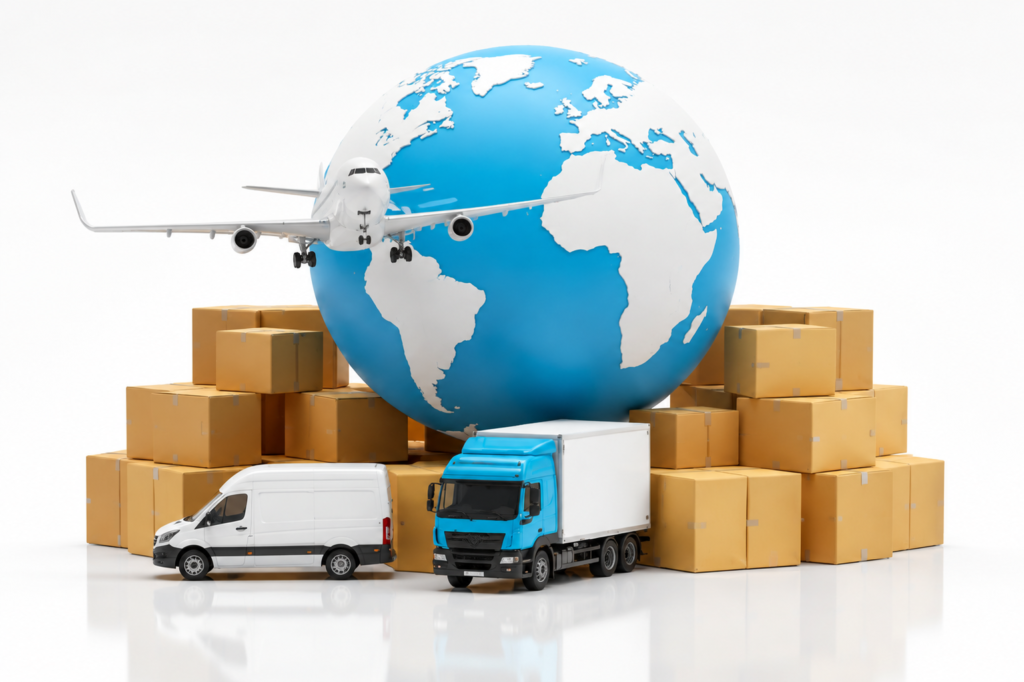
Whether you’re moving cargo by sea, air, or a combination of both, Timescan Logistics offers end-to-end support — freight forwarding, customs clearance, warehousing, project logistics, and full supply chain management — built around your specific trade lanes and business needs.
As shipping conditions continue to change through 2026, our commitment stays the same: transparent communication, dependable execution, and logistics solutions that keep your business moving forward.
Conclusion
The gradual return of container services to the Suez Canal is a welcome sign for global trade after a long stretch of disruption. It won’t happen overnight, and full normalization will likely take time, but the direction is encouraging — shorter transit times, more predictable schedules, and the possibility of easing freight costs are all on the horizon.
For businesses trading internationally, this is a good moment to stay informed and stay flexible. With the right logistics partner by your side, you can adapt to these changes confidently and keep your supply chain resilient, no matter what the next shipping season brings.
Ready to optimize your shipping strategy in response to these changes? Contact the Timescan Logistics team for customized freight forwarding and supply chain solutions.