- Sea Freight
Seamless Ocean Freight Solutions Across Global Trade Lanes
Delivering reliable and cost-effective ocean freight forwarding services supported by strong carrier networks and end-to-end coordination.
What We Offer
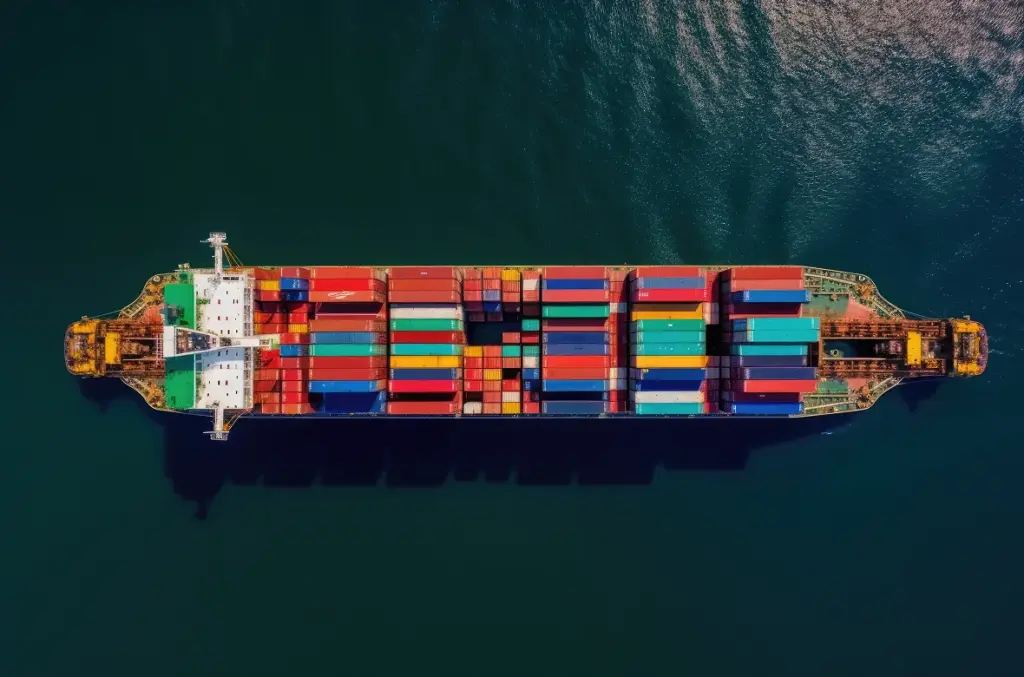
At Timescan Logistics, we deliver efficient and cost-effective ocean freight solutions designed to support international trade across major global shipping routes. With strong carrier relationships and an experienced operations team, we manage every stage of the shipment with precision — allowing you to focus on growing your business.
Our Ocean Freight Capabilities
With 20+ years of logistics experience, Timescan Logistics is committed to delivering reliable, scalable, and cost-effective ocean freight solutions that move your cargo efficiently across global markets.
Why Choose Timescan Logistics for Ocean Freight ?
Proven Ocean Freight Expertise
Timescan Logistics delivers reliable ocean freight solutions across major international trade lanes. Our deep understanding of carrier operations, documentation, and port procedures ensures smooth cargo movement from origin to destination.
- Strong Carrier Relationships
- End-to-End Freight Management
- Specialized Cargo Capabilities – ISO Tanks & Reefer Containers
- Global Network, Local Expertise
- Compliance-Driven & Transparent Operations
Complete Ocean Freight Forwarding Services Across Global Trade Lanes
Delivering reliable, compliant, and cost-effective sea freight solutions for global import and export operations.
Full Container Load (FCL) Services
Dedicated container solutions for high-volume shipments with reliable carrier options and optimized transit times.
Less than Container Load (LCL) Services
Cost-effective consolidation services for smaller shipments, managed with secure cargo handling and timely departures.
Project Cargo & OOG Shipments
Specialized planning and execution for oversized, heavy-lift, and non-standard cargo movements.
Dangerous Goods (DG) Cargo Handling
IMDG-compliant handling, documentation, and carrier coordination for hazardous cargo.
ISO Tank & Liquid Bulk Shipments
Safe and compliant ocean transport solutions for chemicals and liquid cargo using ISO tanks.
Port-to-Port & Door-to-Door Services
Flexible delivery models integrated with inland transportation and last-mile coordination.
Carrier Selection & Rate Optimization
Flexible delivery models integrated with inland transportation and last-mile coordination.
Customs Clearance & Documentation Support
Seamless coordination of customs procedures, shipping documents, and regulatory compliance.

Ports Served
Global coverage across all continents
Deliveries
Trusted by Clients
Years Experience
Industry expertise
Safe Delivery
Exceptional cargo security
Integrated Ocean Freight & Supply Chain Support
Ocean freight at Timescan Logistics is supported by a complete range of value-added services, including:
- Customs clearance & brokerage
- Warehousing & distribution
- FTWZ & bonded warehousing
- Inland transportation & multimodal logistics
FAQ
Got Questions? We’ve Got Answers
FCL (Full Container Load) means you exclusively use an entire container for your cargo, regardless of whether it’s full. LCL (Less than Container Load) means your cargo shares container space with other shippers’ goods. FCL generally offers faster transit times, less handling, and lower risk of damage, while LCL is more economical for smaller shipments that don’t require a full container.
Transit times for sea freight vary depending on origin, destination, and route. As a general guide: Asia to North America takes 14-30 days, Europe to North America takes 10-20 days, Asia to Europe takes 25-40 days, and Intra-regional shipping (e.g., within Asia) takes 3-10 days. These timelines can be affected by factors such as weather conditions, port congestion, and customs clearance.
Prohibited items generally include: illegal substances, certain hazardous materials, explosives, radioactive materials, and living organisms. Additionally, perishable goods with very short shelf lives are typically not suitable for sea freight due to the transit times involved. Some dangerous goods can be shipped if properly declared, packaged, and handled according to the International Maritime Dangerous Goods (IMDG) Code.
Sea freight costs are typically calculated based on: container type and size for FCL shipments, volume (CBM – cubic meters) or weight for LCL shipments, origin and destination ports, type of commodity being shipped, current fuel surcharges, and additional services such as insurance, customs clearance, and inland transportation. We provide detailed quotations that break down all applicable charges.
We offer comprehensive marine cargo insurance to protect your shipments against loss or damage during transit. Coverage options include: All Risk Coverage (most comprehensive), Named Perils Coverage (specific risks only), and Total Loss Only coverage. Insurance premiums are typically calculated as a percentage of the cargo’s value. We recommend All Risk Coverage for most shipments to ensure maximum protection.