India’s Union Budget for FY 2026–27 reaffirmed the government’s commitment to deepening the nation’s renewable energy ecosystem. With substantial increases in budget allocations and targeted incentives, the landscape for renewable power sectors such as solar, wind, storage solutions, and green fuels is poised for rapid growth. These developments also present new opportunities and challenges for logistics service providers who are critical in moving clean energy equipment, infrastructure, and components across the country.
Setting the Stage: A Renewables-Driven Future
The federal budget significantly elevated overall budgetary support for renewable energy programmes, including solar and grid-scale storage. The financial outlay jump reflects both an expansion of existing schemes and a strategic emphasis on infrastructure and deployment. There is a strong emphasis on making India energy-secure while integrating clean power into the grid.
This push signals a need for efficient logistics networks—particularly for equipment transport, warehousing, and project execution across diverse geographies.
Why Renewable Energy Logistics Matters
The rapid installation of renewable energy systems depends heavily on logistics efficiency. Equipment such as solar panels, battery systems, wind turbine parts, and energy storage infrastructure often requires specialised handling, secure storage, and coordinated transport to remote project sites.
A robust logistics framework helps ensure:
- Timely delivery to project locations
- Safe handling of high-value components
- Lower overall project costs
- Better coordination between manufacturers and installers
Budget Highlights with Logistics Implications
Here’s a snapshot of major budget measures for renewable energy and what they mean for logistics operations:
Budget Focus Area | What It Means | Implications for Logistics |
Increased allocation to renewable programmes | Larger funds for solar, wind, and storage | Higher freight volumes and equipment movements |
Customs duty waivers for battery and solar inputs | Reduces import costs for critical components | More inbound logistics and customs handling |
Support for energy storage systems | Recognition of storage as vital infrastructure | Need for specialist storage and transport facilities |
Boost to green hydrogen and grid infrastructure | Funds for emerging energy sectors | New materials and equipment across long routes |
Expansion of manufacturing capacity | Promotes domestic clean tech production | Industrial logistics and supply chain growth |
These budget provisions together expand the scope of logistics activities around renewable energy value chains.
Key Challenges for Renewable Energy Logistics
While the budget sets the foundation for accelerated renewable growth, logistics stakeholders must prepare for:
Handling Complex Equipment
Renewable installations often involve large, fragile, and high-value assets. This calls for advanced handling techniques, better packaging, and trained personnel to avoid damage during transit.
Building Storage Capacity
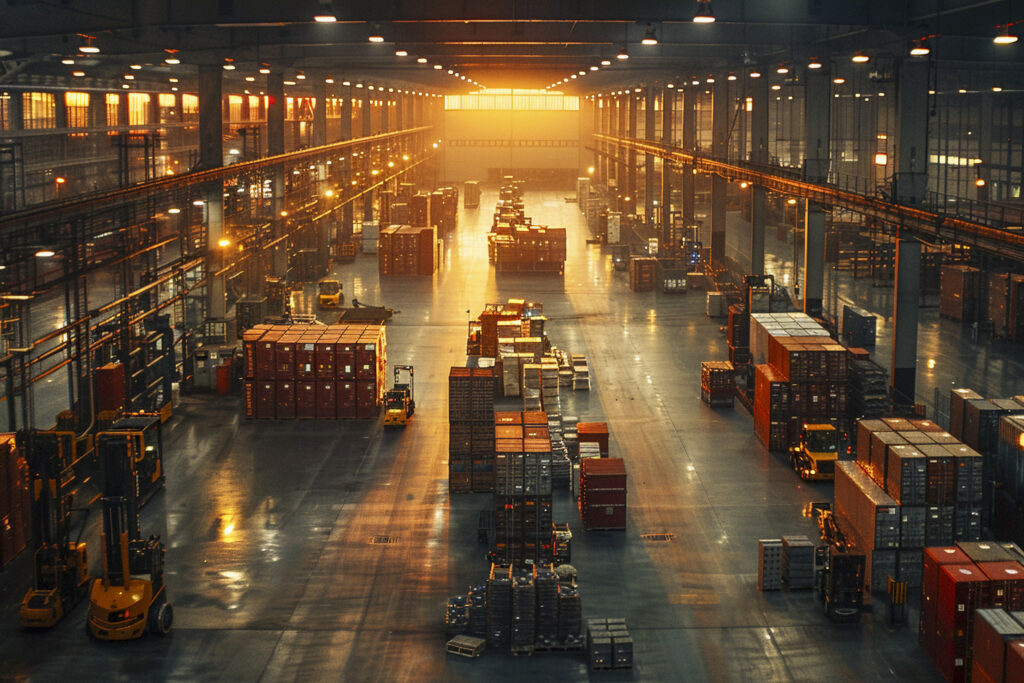
Expanding renewable capacity means more components require staging areas, storage yards, and secure warehouses—especially near ports and inland hubs.
Navigating Regulatory & Coordination Issues
Seamless movement requires close coordination between logistics providers, project developers, and regulatory authorities—particularly for cross-state freight and customs clearances.
Opportunities for Logistics Service Providers
The budget’s emphasis on renewable energy presents tangible areas where logistics companies can expand and innovate:
Project Cargo Expertise
Solar parks, energy storage hubs, and wind farms often require the movement of oversized and heavy equipment. Developing project cargo solutions could be a profitable niche.
Multimodal Transport Solutions
Leveraging road, rail, and waterways more effectively will help overcome congestion and cost challenges, especially for long-distance shipments.
Technology-Driven Logistics
Investing in digital tracking, real-time monitoring, and predictive planning tools enhances reliability and optimises routes for renewable energy deliveries.
Conclusion: Aligning Logistics with Renewable Energy Growth
The Union Budget 2026–27 marks an important step in scaling India’s renewable energy ambitions. With rising allocations, tax incentives, and a clear policy focus, renewable energy deployment will accelerate—bringing a concurrent demand for efficient logistics networks that can support nationwide clean energy expansion.
For logistics companies like Timescan Logistics, this presents both an opportunity and a responsibility: to innovate, expand capabilities, and support India’s transition to a cleaner, more sustainable energy future.